-1.png?width=1200&height=628&name=Untitled%20design%20(6)-1.png)
Why Training Determines the ROI of Advanced Manufacturing Equipment

Peter Baldauf
Peter Baldauf is a seasoned manufacturing and industrial automation professional with decades of experience helping organizations improve safety, efficiency, and long-term operational performance.
Throughout his career, Peter has worked closely with manufacturers to evaluate processes, conduct time studies, and implement advanced equipment solutions that deliver measurable ROI. His approach goes beyond equipment selection — emphasizing operator training, real-world adoption, and sustained performance improvement.
Peter is known for his hands-on leadership style and commitment to long-term customer success, particularly in complex manufacturing environments where technology, people, and processes must align to drive results.
As a trusted industry advisor, Peter regularly contributes insights on manufacturing leadership, automation strategy, and workforce enablement, helping organizations turn advanced technology into lasting competitive advantage.
When manufacturers invest in advanced equipment, the expectation is clear: improved safety, higher throughput, and measurable ROI. But there’s a critical factor that often determines success or failure — operator training.
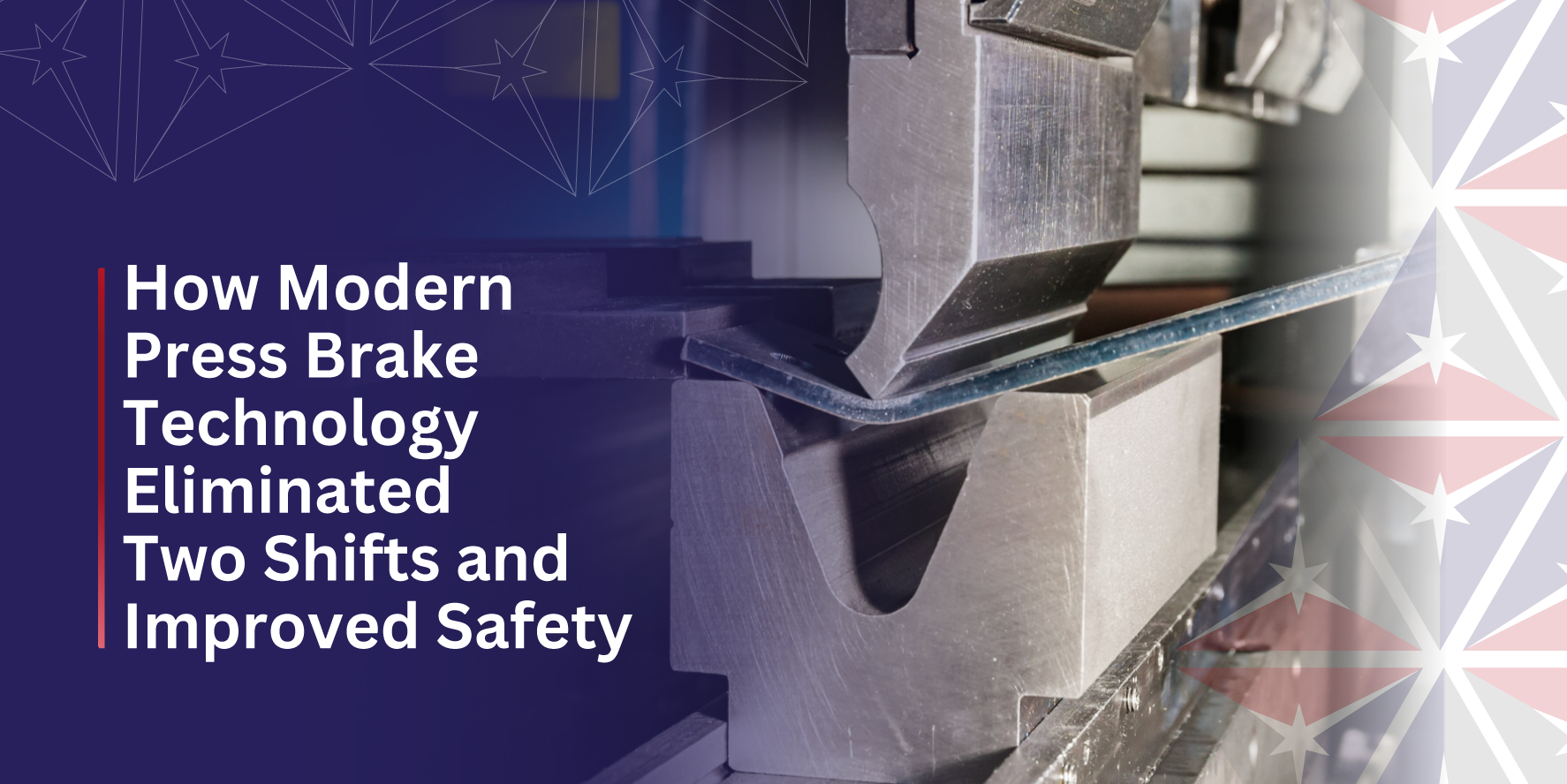
Several years ago, we worked with a manufacturer to install a high-capacity press brake designed to significantly outperform their existing processes. Extensive time studies demonstrated improvements in both safety and efficiency. On paper, the decision was easy.
Six months after installation, I visited the facility to see the machine in action. Instead, I heard something unexpected from the shop floor: the machine was one of their slowest.
The Real Problem Wasn’t the Machine
The equipment itself was performing exactly as designed. What we uncovered was a breakdown that many manufacturers experienced during the COVID era — training never fully happened.
Operators were using the new machine as if it were an older one. Without hands-on instruction, the advanced features designed to eliminate inefficiencies were simply ignored.
This is where leadership matters.
Closing the Gap With Training
We immediately organized additional training sessions for operators and a shop lead. The impact was immediate and measurable:
- Operators transitioned away from foot pedal operation
- Magnetic back gauges were added to optimize workflows
- Cycle times decreased
- Operator confidence increased
Six months later, the customer made a second investment — purchasing a larger, higher-tonnage machine based on their new understanding of what the technology could truly deliver.
Leadership Beyond the Sale
This experience reinforced a lesson I’ve seen repeatedly throughout my career:
Advanced manufacturing technology only creates value when people are empowered to use it correctly.
Social leadership in manufacturing means staying accountable beyond installation. It means checking in, asking uncomfortable questions, and taking responsibility for outcomes — not just equipment specifications.
The strongest partnerships aren’t built on machines.
They’re built on trust, training, and long-term commitment.
Contact our Solutions Team Today
.png?width=1774&height=887&name=CM_SLS_Campaign_Blog_Thumbnail_4_260626%20(1).png)